
If left untreated, a person may experience anaphylaxis, a severe, potentially life-threatening reaction. It is a condition known as Acquired Alcohol Intolerance or Alcohol Hypersensitivity, which usually occurs as a result of an underlying medical condition. For more severe reactions to beer, it’s important to seek medical attention immediately. In some cases, a severe allergic reaction may require an epinephrine injection or other medical treatment. In contrast, liquor typically does not contain sulfites, or contains much lower levels of them. This is because liquor is often made from grains like corn, wheat, or rye, which do not produce sulfites during fermentation.
What is the most harmful alcohol?
The ABV content of beer is responsible for an adverse effect on the brain, liver, kidneys, heart, stomach and other body systems. Although one might feel relaxed and happy after a few drinks, the after-effects are visible soon after that. Even a small amount of alcohol why does beer give me a headache but not liquor can elevate blood pressure, trigger inflammation and peptide release, and suppress glutamate activity in the brain, leading to tension headaches.
What Are Histamines?
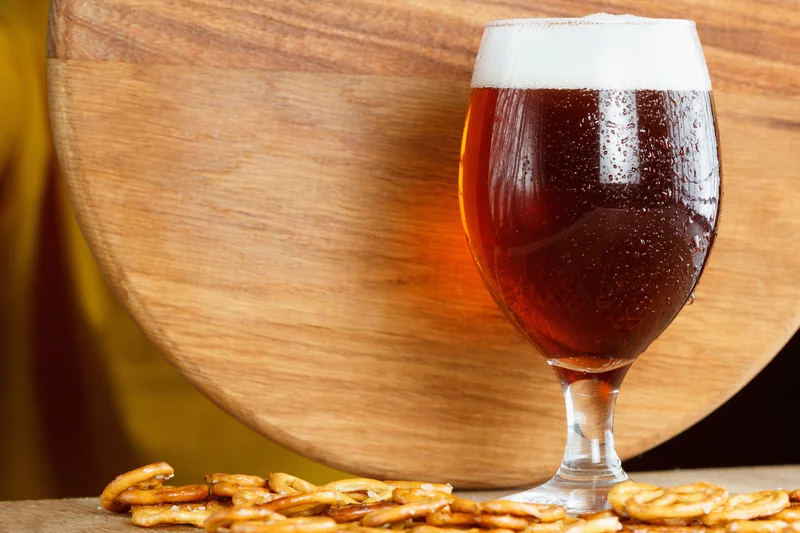
Some individuals may have specific sensitivities or allergies that contribute to headaches after consuming beer. Certain beers, particularly darker varieties, may contain higher levels of histamines and tyramine. These compounds are known to cause headaches in sensitive individuals. There are several theories about why beer gives some people headaches. One theory is that it’s due to the ingredients in beer, including histamines and sulfites.
How do you know if you’re allergic to beer?
If you have other hangover symptoms, like nausea or dizziness, in addition to your headache, then the likely cause of your headache is alcohol. If you’re working with a medical professional to determine why you get headaches, it’s important to look at every possible trigger, including alcohol. In other words, instead of expanding the blood vessels, higher and higher levels of alcohol constrict blood vessels, causing high blood pressure. It’s one of the reasons why excessive alcohol usage can lead to heart issues. Components such as flavonoid phenols, tyramine and tannins are also found in some food products such as cheese, processed meat, fermented foods and beverages, dried fruits, etc.
The liver is responsible for breaking down toxins and other chemicals that your body produces. When alcohol damages the liver, it can create problems with your health such as cirrhosis (a serious form of liver disease) or even death. If you’re looking for a beer that will help you lose weight or improve your overall health, choose one with low calorie content. For a complete list of the healthiest beers on the market, check out this article from Shape. Additionally, alcohol interacts with serotonergic synaptic transmission in the brain in multiple ways. A single episode of alcohol exposure can alter serotonin’s synaptic functions, leading to increased serotonin release in the nervous system.
What Are the Symptoms?
- Unfortunately, higher blood alcohol levels equal dehydration and a loss of important vitamins, minerals, and salts.
- Having a meal before you drink alcohol can help stabilize your blood sugar levels.
- If you’re working with a medical professional to determine why you get headaches, it’s important to look at every possible trigger, including alcohol.
- This might also lead to headaches, although not all studies agree on this point.
A headache will develop when the fluids in your head start to diminish. Some alcohol byproducts like congeners can also be why beer gives you headaches. Congeners hinder ethanol’s breakdown, causing the hangover effect to be more substantial and last longer.
Curious about your drinking? Take the AUDIT Quiz:
As a natural diuretic, ethanol causes blood vessel dilatation (vasodilation), which expedites minerals and fluid loss from the body, triggering a headache. At the same time, alcohol produces more chemicals and hormones such as histamine that boosts inflammation. On the other hand, though having very low content levels in beer, congeners are responsible for delayed headaches.
- According to the American Liver Foundation, excessive drinking can damage the liver in a number of ways, including increasing your risk for cirrhosis and liver cancer.
- It is possible that the presence of hops and malt residues account for hazy IPA headaches.
- Since alcohol has a dehydrating effect, drinking 16 ounces of water between each alcoholic beverage can help offset alcohol-related dehydration.
- Staying hydrated and drinking in moderation can decrease the chance of experiencing a headache.

While individual reactions can vary, there are several factors that could potentially contribute to this difference in response. The exact cause of beer headaches is not known, but it is believed to be related to the ingredients in beer, particularly certain sulfites and hops. Certain chemicals in beer, such as tyramine and histamine, can trigger the release of substances in the brain that cause headaches. In the end, all alcohol contains congeners, which are molecules that can contribute to hangovers.
However, the most important factor when it comes to avoiding a hangover is drinking responsibly and in moderation. The answer to this question varies from one person to another, as everyone’s body tolerates alcohol differently. Generally, the less a drink has been processed and distilled, and the lower the alcohol content it has, the less likely it is to result in a hangover.

Cluster Headaches
- When your blood vessels expand or contract quickly, a headache can build.
- There is a possibility of bacterial growth forming on the nozzles or outlets of the taps if they are not cleaned at regular intervals.
- Hangovers are caused by over-indulging in alcohol, regardless of what type of alcohol you are consuming.
- You may find that avoiding light beers altogether is the best solution for reducing the risk of feeling unwell.
- These are compounds in grain husks that you find in small doses in beer, and they’re also in wine.
Understanding why some beers give you a headache involves considering various factors. From ingredients and alcohol content to individual sensitivities and environmental influences, many elements can contribute to this discomfort. By being mindful of what you drink and Halfway house how you feel, you can enjoy beer while minimizing the risk of headaches. Always remember to hydrate and choose wisely when selecting your beverages. The most common type of hangover headache is a throbbing pain that is worse when you move. To avoid this type of headache, make sure to drink plenty of water before going to bed after drinking beer.
